
Bath-Time with Pampered Pups!
It’s no easy job raising a puppy, and it is definitely messy every step of the way. Man’s best friend is known for their fun natured, lovable disposition and an almost magnetic relationship with all things muddy and mucky. So your pup’s covered in mud, and you’ve desperately Googled how to save your house and sanity. But aside from these obvious emergencies, how often should you wash your dog? It’s a seemingly simple question but deceptively difficult. In order to know how often to wash your dog, you’ll need to consider a variety of factors such as health, breed, location and grooming options. Never fear; help is here for the astronomical task of keeping them still while you scrub away the mess, with this article covering the in’s and out’s of bath time.
Health Benefits of Bathing Your Dog
It seems like a no-brainer that you’ll need to bathe your dog now and then, but this easy task can make or break your dog’s health and wellness. By establishing a good bath time routine for your pup, you can reduce veterinary visits through various good bathing practices. Saving on vet bills is incentive enough. The average Australian pet owner spends roughly $20,000 in overall pet healthcare costs during their dog’s lifetime. By practising routine checks and good hygiene, you can reduce the prevalence of harmful bacteria, parasites, skin conditions and general shedding. Monitoring your dog’s health can be accomplished by inspecting your dog’s teeth, ears, claws and skin during bath time. This regular check provides you with advanced notice if any issues need to be addressed by a veterinarian.
Regular bathing also provides your dog with much-needed relaxation and restoration whilst giving your pampered pup a chance to bond and reconnect with you. Like a spa day massage, dogs are calmed and rewarded through the repetitive motion of a good bathtime scrub. With the right products and attention, your dog’s coat can feel as soft and pampered as if they’d visited a top-notch beauty specialist, benefiting from careful moisturising and brushing.
Good bathing practices aren’t just beneficial to your dog’s health, though; they’re also crucial for yours. Through a regular bathing routine, you can reduce the bacteria, dirt and parasites your dog may otherwise bring into your home. Parasites will find it harder to attach to a cleaner coat and therefore harder to enter your home. A clean pup is also beneficial for people with allergies. Whether you’re allergic to dogs or just general outdoor allergens, regular bathing and grooming will reduce the number of allergens trapped within their fur.
Dog Coats and Bathing Frequency
You need to consider three things when deciding how often to bathe your dog: breed, age, and lifestyle. A dog’s breed can significantly influence its temperament and coat type. Different coats require specially selected products, techniques and bathing frequency to keep them at their best. Coats can range from:
- Oily: These coats require frequent bathing as often as weekly due to increased oil development, resulting in build-up. This coat type can be due to a skin disorder known as seborrhea which can affect various breeds such as Basset Hounds, Cocker Spaniels and Dachshunds.
- Short-Hair: These dogs have smoother, more manageable coats and are therefore okay with a less frequent bathing schedule. Some dog breeds with short coats include Beagles, Boxers and Boston Terriers.
- Water-Repellent: These dogs have naturally water-repellent coats that dry quickly due to a healthy balance of natural oils within their skin and benefit from a less frequent bathing schedule. You can find water-repellent coats in breeds such as Golden Retrievers, Labrador Retrievers and Irish Water Spaniels.
- Long-Hair: Long-haired dogs generally have thicker coats due to a double coat and require more frequent grooming (mostly more regular brushing). Despite this, they typically need fewer baths as long fur is more likely to tangle and mat when wet. Long-haired breeds include Samoyeds, Malamutes and Border Collies.
When to Bathe Your Dog
Once you’ve determined your dog’s coat, you have a baseline for how often they need to bathe to keep their coat and health in check. Depending on additional skin conditions, you should now have a good idea of your dog’s unique coat needs. This understanding will help you select products that help maintain their coat health. You may also opt to use an oatmeal-based shampoo if you’re going to require frequent baths for your pup, as harsh chemicals may irritate their skin.
From there, you can adjust according to your dog’s lifestyle and temperament by considering whether your dog is more likely to get parasites or just generally messy. Outdoor dogs are more susceptible to parasites, so if your dog is spending time in the yard or on hikes away with you, it’s essential to bathe them frequently. Regular bathing will help ensure that they haven’t picked up any nasties or sustained any scrapes. You might consider using special shampoos in the event your dog rolls in something particularly stinky, here’s hoping they don’t!
Finally, the age of your dog is essential, especially while they are puppies. You don’t want to bathe a puppy until they are at least 7-8 weeks old as they are not yet able to self regulate their body temperature. If absolutely necessary, you can wipe them down with a warm cloth, but until then, that’s it! After your dog has gotten past its first eight weeks, a general rule of thumb is to bathe them once every four weeks. Puppy parents can then alter this schedule depending on their dog’s daily activities and individual needs.
Bathing a dog should only be done when necessary; this means your pup is either visually dirty, very stinky or just completely covered in mud. Washing your dog more than needed can cause more issues than it will fix. Over bathing can create a significant amount of discomfort for your dog due to skin irritation.
Where Can I Wash My Dog?
After you’ve decided if your pup is indeed in need of a bath, you need to consider where you’ll be washing them. You may choose to bathe your dog indoors, outdoors, at a self-serve dog washing facility, or book them into a professional groomer. Location is entirely dependent upon you and your pups preferences and the facilities and weather conditions around you.
Some may opt to stay home if their pup is less likely to feel comfortable in a more public setting. An indoor bath is preferable in cooler weather if you have the space to accommodate. When bathing your dog indoors, you should use a non-slip mat to ensure that your pup feels comfortable and stable in your tub. If you don’t like standing in a soapy tub, why would your four-legged friend?
Otherwise, you may choose to do an outdoor bath for your dog on a warm summer day. Be sure to keep in mind when washing your dog with a hose that the water can heat up, so wait for it to cool down for your dog’s safety and comfort. If it’s a colder day and you have no other options available, consider filling up an outdoor tub or small pool with warm water to wash your dog in.
Self-serve dog washes offer the space and tools for those who don’t have them readily available at home. This service can be convenient if you live in a smaller apartment or unit. Self-serve dog washes are also a significant step in helping your dog be more comfortable if you want to take them to a groomer. By taking your dog to a self-serve cleaning station, they can become more familiar with a public, commercial environment.
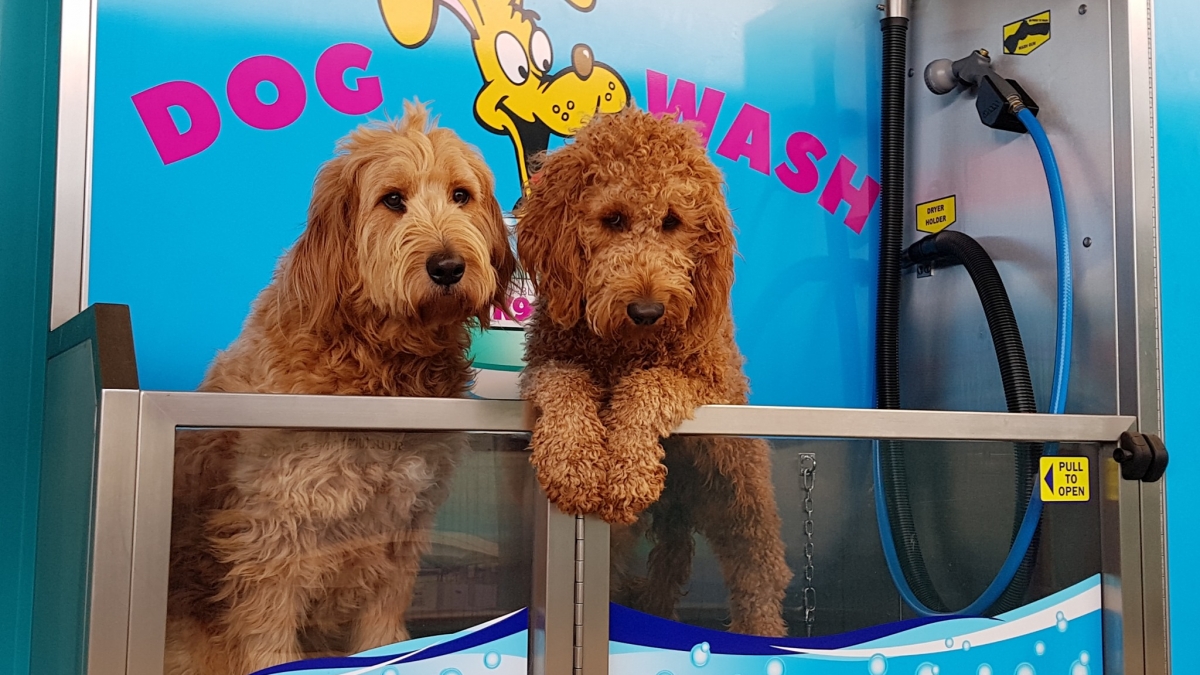
The K9000 is a popular Australian created self-serve dog wash model dating back to 2005. The K9000 offers hygienic high-grade stainless steel construction and an easily accessible user interface. These self-serve dog washes are available at select pet stores and car washes, providing a top of the line bathing service for your pampered pooch. Where you would generally have to set up your washing station at home, the K9000 already includes everything you’ll need for bath time. This DIY Dog Wash boasts a hair-free non-slip floor to avoid any nasty spills, four soap dispensing pumps, onboard hot water and a blow dryer. Click here to find your closest DIY dog wash.
Groomers are a fantastic option for those who are less brave, don’t enjoy the cleanup or simply don’t have as much time to spend wrangling a wild puppy after a big day at the beach. Not only will groomers wash your pup, but they also offer other services such as nail trimming, coat trimming and professional drying.
Dog Groomers or Self Serve Dog Wash
So if you don’t have the space or tools at home, you may be considering using an external service such as dog groomers or self-serve dog washes. We’ve covered a bit on these, but which is better? That depends entirely on what you would like out of your doggy’s grooming regime. If you have a higher maintenance breed such as a Poodle or Pekingnese, you may want to consider a professional groomer for your doggy day-spa needs. Some groomers also offer teeth cleaning services using dog-specific toothpaste, which can be challenging for the uninitiated. There are also mobile grooming services provided if your dog prefers the comfort of your home. Groomers are a fantastic option for people with limited availability, allowing you to get the shopping done or run some errands in time to pick up your beautified fur baby.
Alternatively, K9000 self-serve dog washes allow you the opportunity to bond with your pup while you give them a good wash. Self-serve is an excellent option for when you don’t have the equipment at home to give your dog the bathing experience they deserve. These self-serve stations are better than a home setup. The specially tailored design allows for more comfort by letting you stand whilst washing your dog instead of kneeling next to a tub. DIY dog washing also offers savings of up to 50-60% of a basic grooming appointment; that’s heaps of extra money to spend on treats!
How to Bathe Your Dog
Now you’ve decided on the location; it’s time to get together your kit! If you’re heading to the groomers or a self-serve station, skip this step, it’s all sorted!
First, you’ll need to make sure that you get together all the essential tools, this will include:
- Brush: A good brush is a must for any mats and tangles, be sure to get them all brushed out before starting the water as they may make the issue worse!
- Shampoo: Be sure to apply a test patch before using any products on your dog. You should select your shampoo based on your dog’s individual needs and any vet advice. If in doubt, stick to a mild and gentle hypoallergenic option and ONLY use products developed for dogs.
- Conditioner: Shampoo rules apply here!
- Towels: Preferably large and absorbent!
- Non-Slip Bath Mat: Consider placing a few down around the bath as well to keep your excited pup from taking a tumble!
- Wash Cloth: Use this for the head area as it’s crucial to avoid getting excess water into the eyes, ears, nose and mouth.
- Cotton Balls: If they are comfortable, use cotton balls to prevent water from getting into your dog’s ears. Otherwise, be careful to avoid this area.
- Lots of treats! Especially in the beginning, your dog will need positive reinforcement when it comes to bath time; teach them this is an enjoyable time!
Once you have all of your tools together and set up, make sure to have everything within arms reach and treats on hand for bath time. The water will need to be at a comfortable temperature, preferably lukewarm. After you have finished preparation, patiently coax your dog to bathtime with treats and positive reinforcement. Once they have been persuaded into the area, you can brush them to remove any initial tangles. Now it’s time for a good old fashioned soak; make sure to be gentle and patient, so your pup can relax and remember to avoid the head area.
After getting your dog’s coat thoroughly wet, you can begin to apply shampoo to their fur, careful not to spend too much time focusing on their underside as this can be a ticklish area. You can then rinse the shampoo and begin conditioning your dog; depending on the instructions, they may require the conditioner to sit for a while and soak into the coat. Once this is complete, you can thoroughly rinse the fur.
And that’s it! Now you just need to dry off your pup with a big cozy towel, avoiding using a hairdryer due to high heats causing discomfort. If you need to use a hairdryer, be sure to keep it at a lower temperature and hold it at a distance, avoiding pointing at the head area. All that’s left is to give your squeaky clean pup a treat for a job well done, and maybe treat yourself to a pat on the back too!
A Clean Dog Is A Happy Dog
We all want what’s best for our furry companions, and good bathing practices are a big step in the right direction. By spending a little time polishing up your bath time routine, you can improve both your dogs and your health. Bath time is an important moment of relaxation for everyone, and dogs are no exception! Putting in the effort to tailor a bath time routine can mean a bit of research, but the benefits are more than worth it. So take the time to make the words bath time just as exciting as the words “outside” and “walk”, and keep those tails wagging!