

Fleas are tiny, blood-sucking insects known for irritating cats, dogs, and humans. They can cause a lot of scratching and discomfort for our beloved pets. Left unchecked, fleas can become very difficult to defeat, spreading eggs around the household and their host. So, how do you get rid of fleas?
This article will cover everything you need to know about the signs of fleas and their treatment and prevention.
How Do Dogs Get Fleas?
An essential part of knowing how dogs get fleas is understanding fleas themselves. An adult flea has extremely springy legs, allowing them to leap up to half a metre, jumping between animals. The most common way fleas are transmitted is through other animals. However, dogs can also catch fleas from the grass, leaves, groomers, and vets.
Fleas aren’t called pests for no reason. Household flea treatments can take 3 to 6 months because flea larvae are very hardy. If a flea infestation is not properly dealt with, flea eggs and larvae will survive inside your house.
Once your dog has fleas, the most important thing to do is act quickly. If you don’t kill the fleas, they can quickly develop into an infestation on your dog and in your home.
Signs of Fleas on Dogs
There are numerous signs of fleas in dogs, including severe itching, hair loss, small bumps, scabs, hair loss, and irritated skin. These are typical symptoms of flea bites. However, the easiest way to confirm if your dog has fleas is to look for fleas and flea dirt.
Fleas are small, dark brown or black insects that live on the skin of animals. They are often found on the neck, ears, tummy, lower back, and base of the tail. However, fleas are very small, measuring only 1 to 3 millimetres, so the best way to find them is to use a flea comb.
Flea combs are fine-tooth combs designed specifically for picking up these tiny pests. However, if your dog has no fleas visible when combing, this doesn’t mean they’re entirely in the clear.
Another telltale sign to look for is flea dirt. Flea dirt is another word for flea droppings and looks similar to sprinkled pepper. Flea dirt is actually dried blood and will appear red when rehydrated.
There are many ways that dogs get fleas, and knowing them is part of proactive prevention.
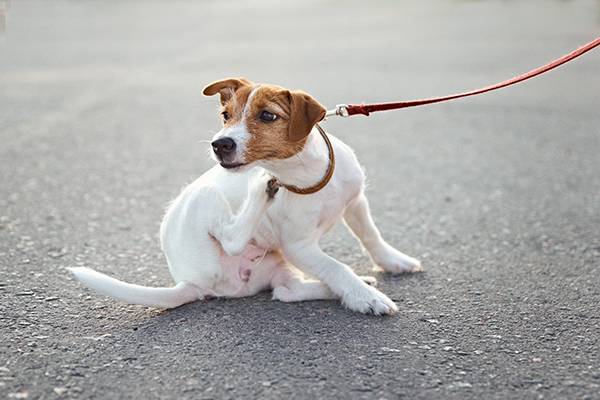
Flea Treatment for Dogs
Treating your dog for fleas can be done in many ways, including topical bathing products, oral medications and combing. Read more about each treatment below:
- Topical bathing products
Bathing your pet in lukewarm water and soap can help remove fleas, even more so when using a special flea shampoo. However, discussing with your vet before using flea shampoo is important to avoid skin irritation. K9000’s self-serve dog wash machines offer dispensers for shampoo and flea rinse products to help prevent and treat fleas.
It’s important to take into consideration that flea eggs are particularly resistant to topical bathing products. You will need to repeat this treatment the following week or fortnight to ensure that newly hatched fleas are killed. Use our helpful directory to locate your closest self-serve dog wash. - Oral medications
Oral medications can help treat and prevent intestinal worms, heartworm, fleas, and ticks. These medications can be prescription or over-the-counter and often come in chewable tablet form. - Combing
Using a flea comb, you can manually remove fleas and flea dirt during grooming. This method is typically used with topical products; however, it is important not to try to kill them using your fingers. Instead, submerge the comb and fleas in hot, soapy water.
Additional prevention can be done using home remedies, such as an apple cider vinegar solution to repel fleas. This solution can be made using diluted apple cider vinegar in water to create a spray for your pet’s coat. To make this solution, add one part apple cider vinegar to one part water and mix.
Flea collars are another excellent way to keep fleas from getting on your pet. The collar releases chemicals that spread across the coat and prevent fleas from landing.

What Happens If Fleas are Left Untreated?
Failing to treat fleas on your pet can have extreme consequences, causing your dog major discomfort due to complications such as:
- Flea allergy dermatitis
Flea allergy dermatitis is a skin condition caused by an allergic reaction to flea saliva. This skin disease can cause your dog’s skin to turn red from irritation and lead to secondary skin infections. Other symptoms of flea allergy dermatitis include itchiness, hair loss, and scaly skin. - Anemia
Most commonly seen in stray dogs with extreme infestations, anemia is caused by extreme blood loss. This can cause weight loss and high levels of fatigue. - Tapeworms
Another unwanted parasite, tapeworms, can live inside of fleas. They make their home in the dog’s small intestines. These parasites are easily treatable but can cause lethargy and weight loss in dogs. Tapeworms can be spread to humans.
The first step to getting rid of fleas is to treat your dog. However, fleas multiply quickly and can spread throughout your home.
How to Get Rid of Fleas In The House
Getting rid of fleas from your dog is only half the battle. While fleas prefer to live on animals, if unable, they can transfer to carpets, bedding, and even people. You can remove fleas from your home through rigorous cleaning methods recommended by the Environmental Protection Agency (EPA), as well as pesticides and pest control services. Recommended cleaning methods include:
- Vacuuming
Using a strong vacuum on floors, upholstery, mattresses, or tight spaces in your home can remove eggs, larvae, and adults. It is important to empty the vacuum immediately with gloves on into a sealed rubbish bag. - Steam cleaning
You can use a steam cleaner to clean carpets and upholstery, as the hot steam and soap can kill fleas. Be sure to focus on areas where your pet sleeps or spends extended amounts of time. - Cleaning and replacing bedding
Similarly to steam cleaning, machine washing all pet and family bedding is effective when using hot, soapy water. Wash all bedding every two to three weeks. If fleas are persistent, consider replacing your bedding.
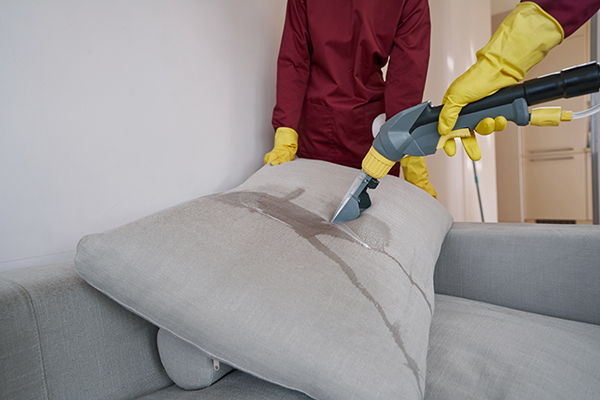
It’s essential to uphold both household cleaning and pet flea treatments for anywhere between two weeks and four months to fully eradicate fleas. You may also consider using pesticides in the form of flea bombs, chemical cleaning products, or aerosols. However, with the use of topical flea products and the recommended house cleaning methods, these treatments are typically unnecessary. This is because topical flea products have advanced to the point of augmenting or completely stopping a flea’s natural reproductive cycle. By combining regular cleaning and topical flea treatments, you should be able to end the infestation without the use of pesticides.
Flea bombs release pesticides into the room and can be purchased from supermarkets or hardware stores. Pesticides are generally not effective at killing pests in carpeting or upholstery, and can contaminate food preparation areas.
Pesticides also don’t effectively kill fleas in hidden or sheltered areas. Additionally, pesticides are not effective against all stages of the flea life cycle, including the pupae and cocooned stages.
Pest control is a professional service that can be used in extreme infestation situations. Pest control experts have access to strong pesticides and tools, enabling them to quickly and effectively combat an infestation. These services, however, are only necessary when all other methods have been exhausted.
Seeing our pets uncomfortable can be upsetting and difficult. However, with the right plan, you can quickly get rid of fleas in your household. It is important to always regularly groom and wash your pet, especially after days spent outside. This can help prevent fleas and make your life easier in the long run.
Remember to stay vigilant about checking your dog for fleas and watching for the signs of a flea infestation. Treating fleas is easier when done quickly and can save a lot of time and money. If you’re unsure whether your dog has fleas or a different source of skin irritation, always refer to your vet. We hope this article has helped you better understand this nasty pest!